
Data-Driven Resilience: A New Way to Support Smallholder Farmers

In Chile’s Los Ríos and Los Lagos regions, where water scarcity is intensifying and natural cycles are increasingly disrupted, combining agricultural resilience with data-driven insights has become an urgent priority. The results speak for themselves: after one year of on-the-ground work, 98% of the farming families participating in Mayma’s program, supported by Cisco Foundation, had adopted at least one new regenerative practice. These ranged from soil management techniques to nature-based solutions for water management and climate adaptation, adding up to 285 new practices across participating farms. Meanwhile, the share of families systematically recording data to inform farm-level decisions rose from just 11% at the outset to 95%.
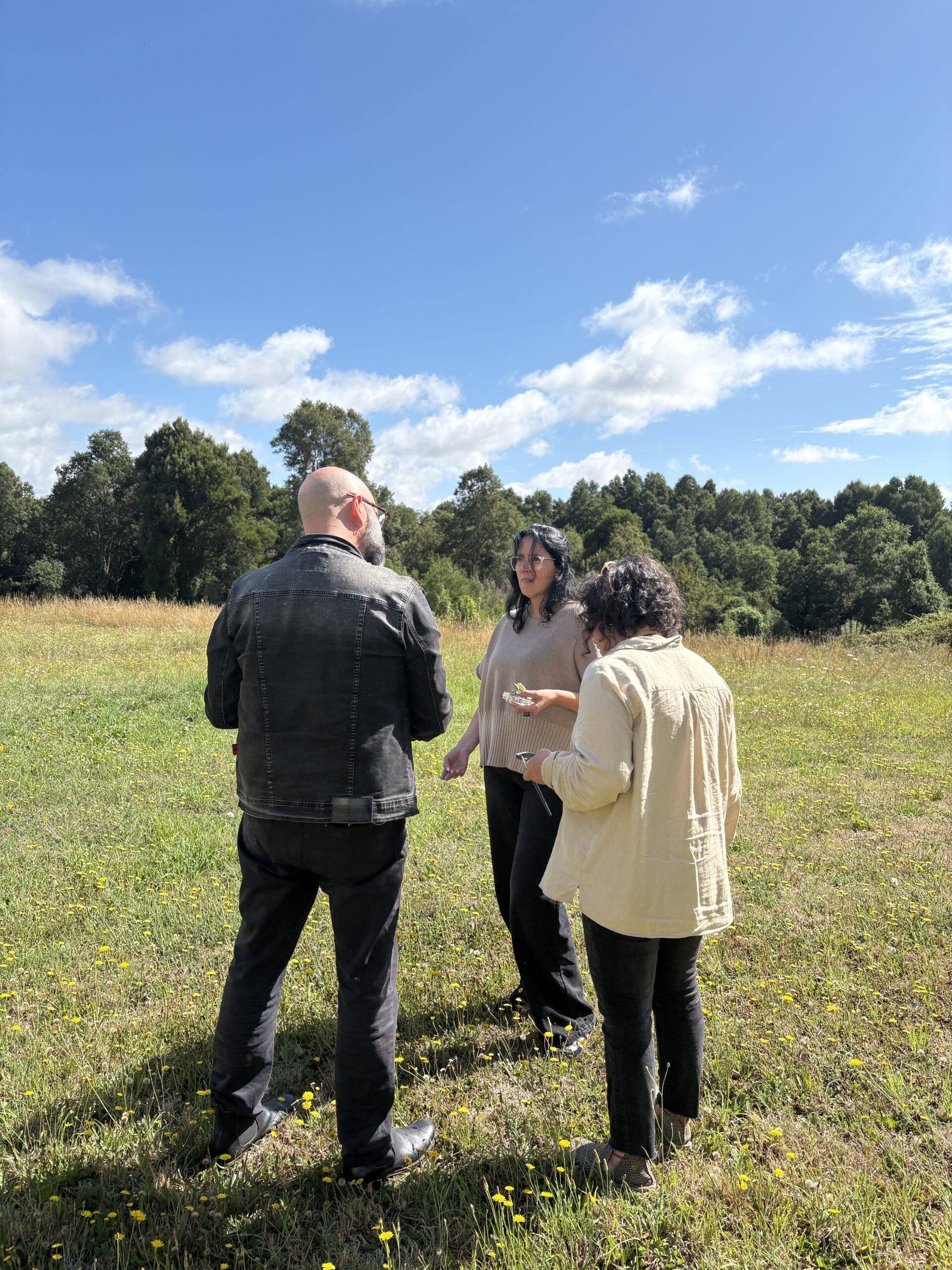
Achieving these results required a strong network of technical partners. With the goal of supporting 80 families through this climate transition, Mayma coordinated fieldwork with the Instituto de Investigaciones Agropecuarias (INIA), Chile’s agricultural research institute, and brought together multiple data sources, including satellite imagery, soil data, weather station readings, and information provided by farmers themselves. These data were analyzed by ecohydrology experts from the Grupo de Estudios Ambientales (GEA Lab) at the Instituto de Matemática Aplicada San Luis, part of the Universidad Nacional de San Luis in Argentina, in collaboration with CONICET, Argentina’s National Scientific and Technical Research Council.
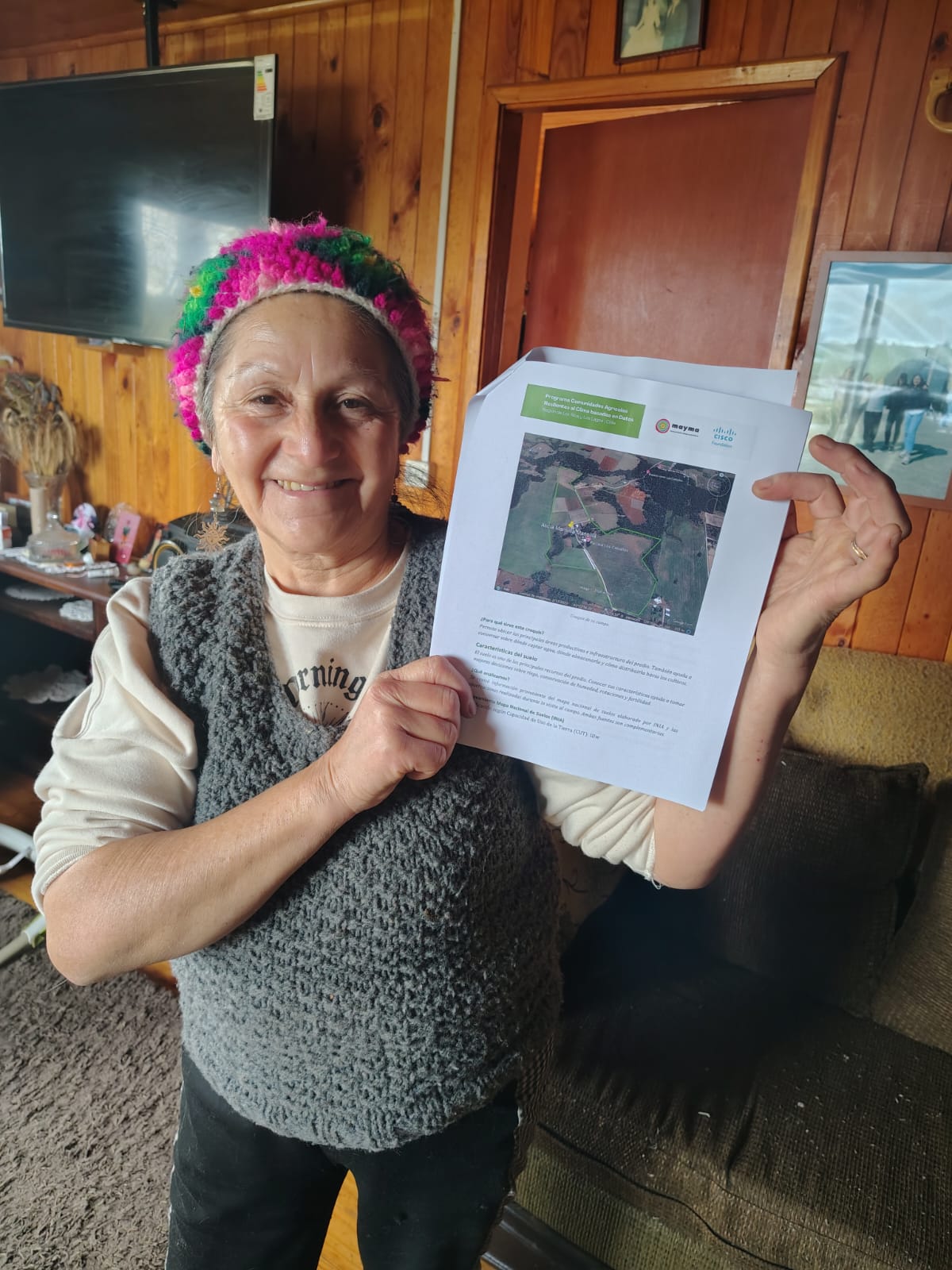
The program included more than 340 farm visits and 79 resilience assessments, which led to the development of 72 tailored roadmaps. Each farmer received technological and agronomic recommendations designed specifically for their farm, soil conditions, and water availability.
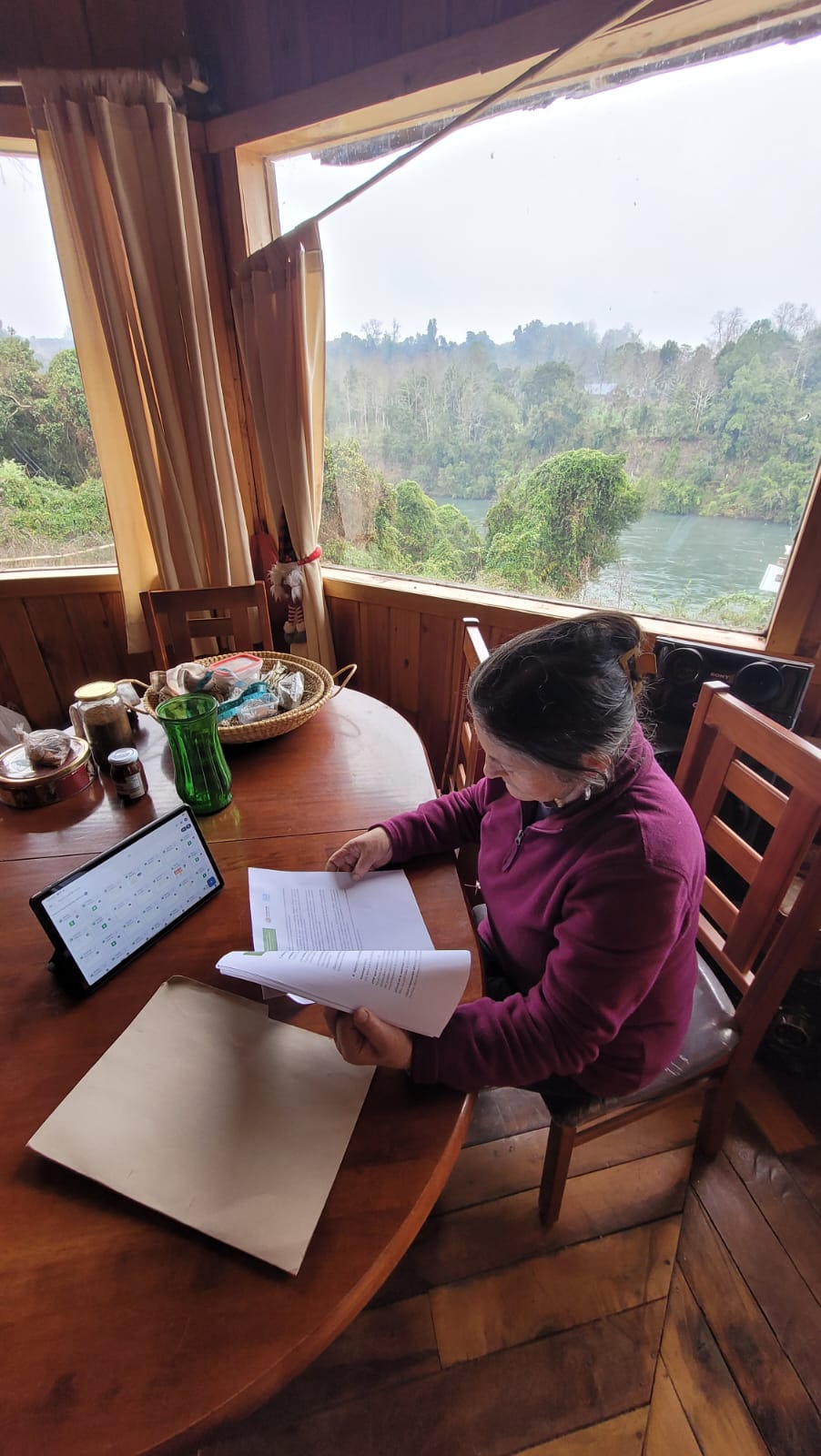
Access to reliable information has transformed day-to-day decision-making on the farm. “Learning to use the rain gauge and keep records completely changed the way I make decisions,” says Marcela Gallo, a farmer from the Los Ríos region. Ana María Yefi Huenupan, who grows vegetables in Lafquelmapu, highlights the value of combining technical knowledge with peer learning: “Understanding the condition of my soil through technical data, together with exchanging experiences with other farmers, gave me the confidence to try new practices in my greenhouses.”
Today, 93% of participating families report feeling better prepared to cope with climate variability. The experience demonstrates the value of a place-based, data-driven approach to strengthening agricultural resilience. The next step is to continue building this network of technological and technical support and explore the use of artificial intelligence tools so that climate innovation can reach more farming communities across southern Chile.




 Spanish
 English