
Misiones Fish Farming Expands Its Productive and Commercial Horizons
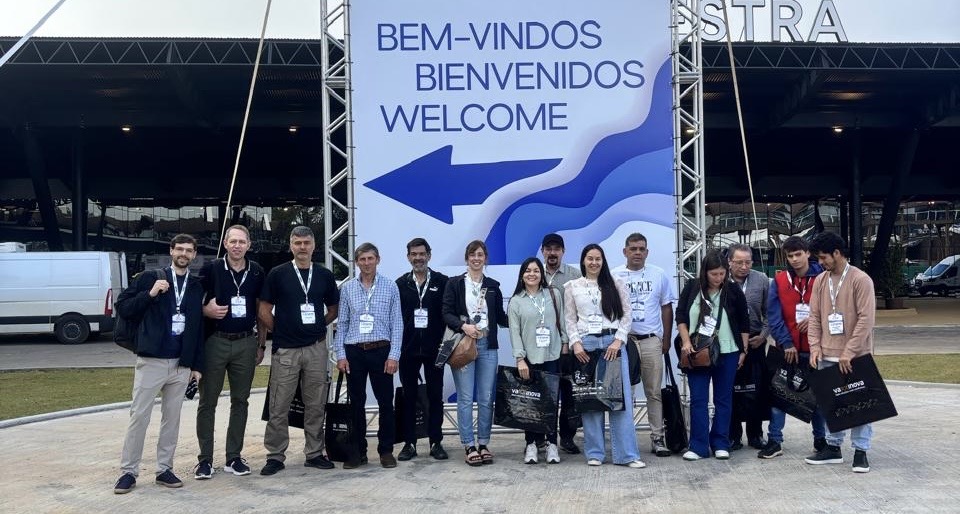
In September, as part of Mayma’s place-based development program, supported by Fundación Alimentaris, a delegation of fish farmers from Apóstoles, representatives of the Misiones Ministry of Agriculture and Production, and officials from the Secretaría de Apóstoles Municipal Secretariat of Production, traveled to Foz do Iguaçu, Brazil, to attend the International Fish Congress & Fish Expo (IFC Brasil), one of the region’s leading events for the farmed fish value chain.
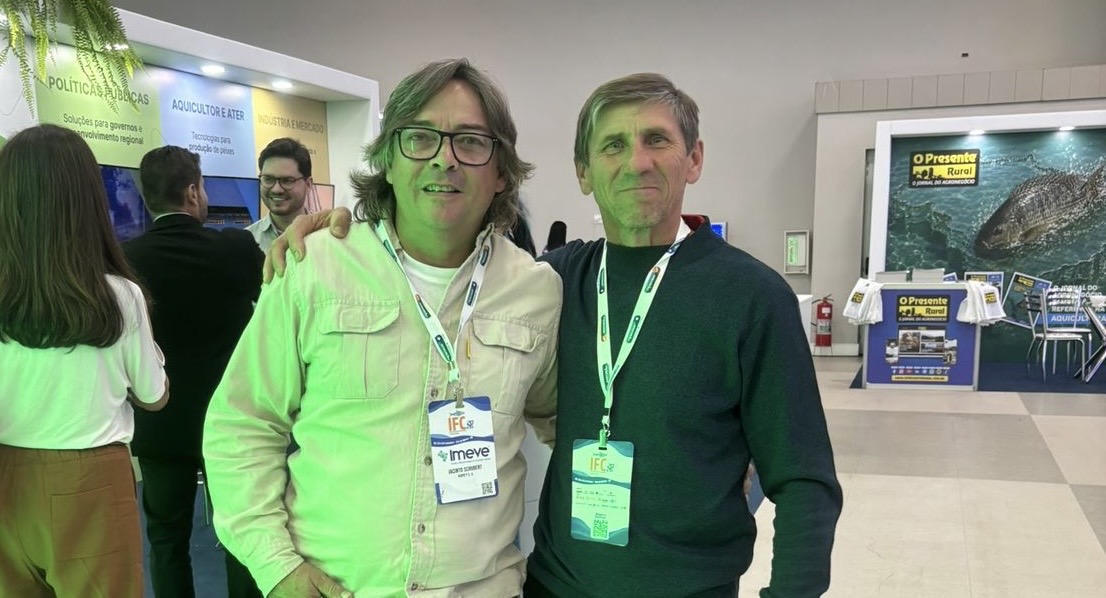
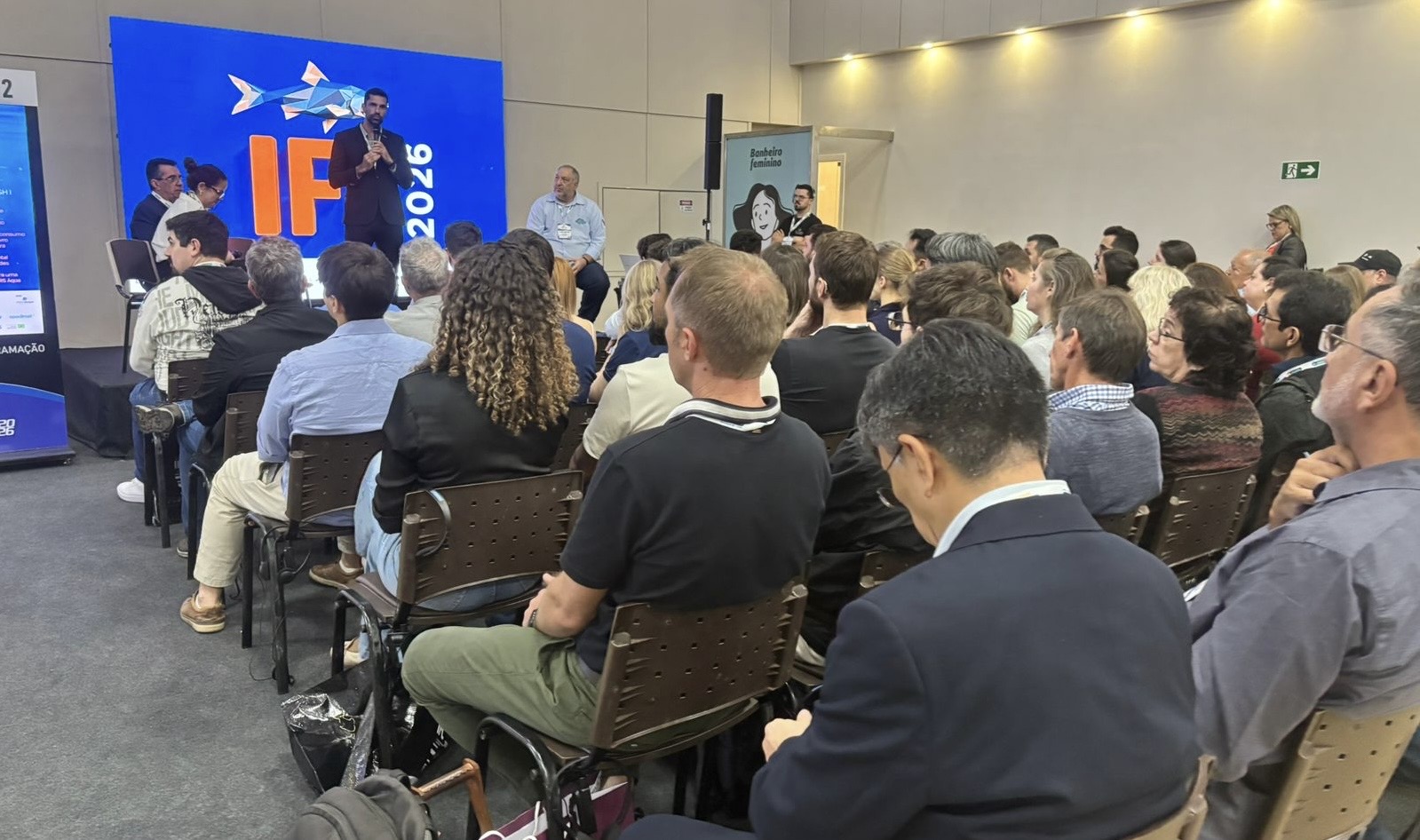
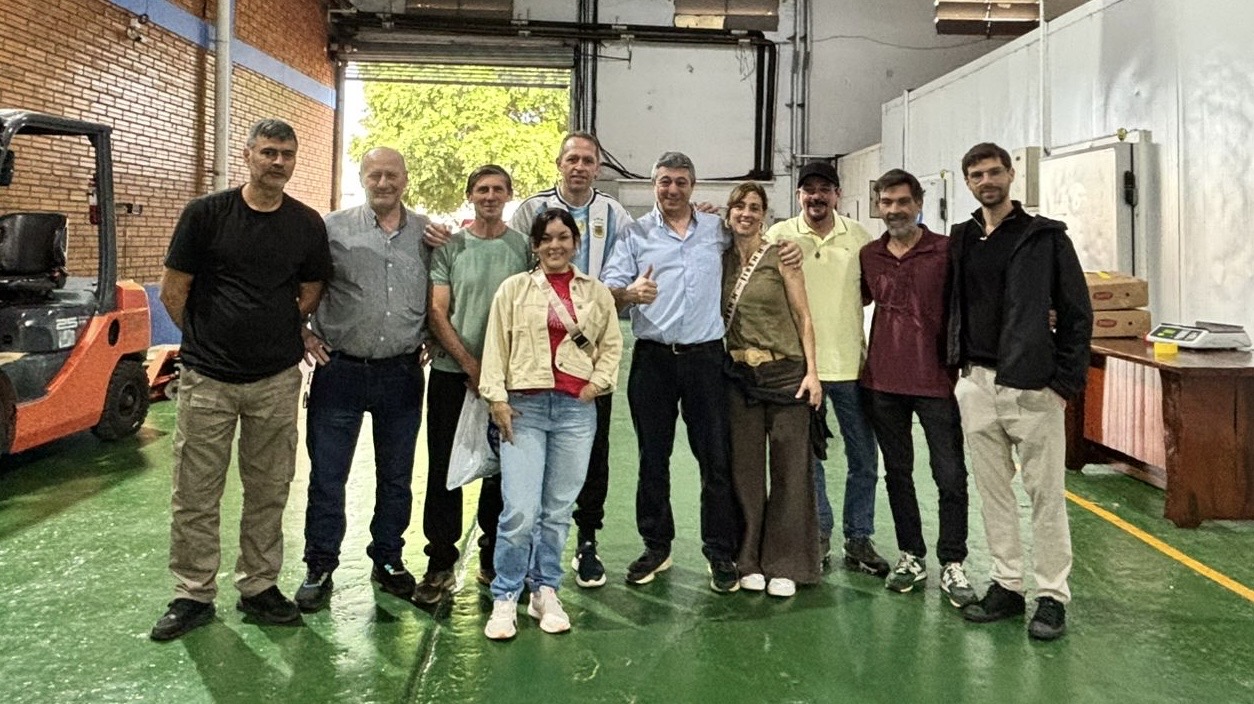
Over three days, the delegation visited the trade fair, attended talks by international experts, and exchanged experiences with producers and other value chain stakeholders from Brazil and Paraguay. The visit also included a tour of MIMEN, a fish distributor based in Puerto Iguazú, where participants learned firsthand about its operations and business model.
Mayma was represented by Ana Webb, Program Director; David Schneider, Head of Development and Partnerships; and territorial team members Alejandra Torres and Diego Castillo. The delegation also included Guillermo Faifer, Coordinator of Aquaculture and Fisheries Development at the Ministerio del Agro y la Producción de Misiones; Juan Poterala, Secretary of Production of Apóstoles; and Herman Hennig, representing the Cooperativa de Piscicultores de Campo Viera (Campo Viera Fish Farmers’ Cooperative).
The participation of producers from Apóstoles in these events reflects the growing connections between Misiones’ fish farming sector and other regional stakeholders and experiences. This exchange is part of a year of intensive work on the ground in 2026. In partnership with the municipality, the establishment of the Apóstoles Municipal Fish Processing Facility marks an important step toward improving processing capacity, adding value locally, and opening up new market opportunities for small-scale fish farmers. This work is complemented by technical farm visits, peer-learning sessions, and training activities designed to improve production practices and help farming families meet higher quality standards and move toward greater formalization.
These efforts build on the work carried out between 2023 and 2025, when the first phase of the program supported more than 200 farming families across 15 localities in Misiones. During that period, production among participating families increased by 53%, while women accounted for 41% of the direct employment generated by the activity.
The trip to Foz do Iguaçu was an opportunity to broaden horizons. Seeing other initiatives firsthand, exchanging ideas with peers, and learning about different production scales and business models enabled participants to envision new possibilities for their own ventures.
The challenge now is to continue strengthening a fish farming sector that can grow and establish its own identity. Aquaculture can be understood not only as a productive activity, but also as a tool for ecological restoration — one that creates opportunities for families, strengthens ecosystems, and helps producers, local governments, institutions, and other partners build a different model of production rooted in the territory.
In this process, Misiones has an opportunity to become a testing ground for innovative approaches to aquaculture, developing and piloting solutions that can be adapted and replicated in other territories.

 English
 Spanish